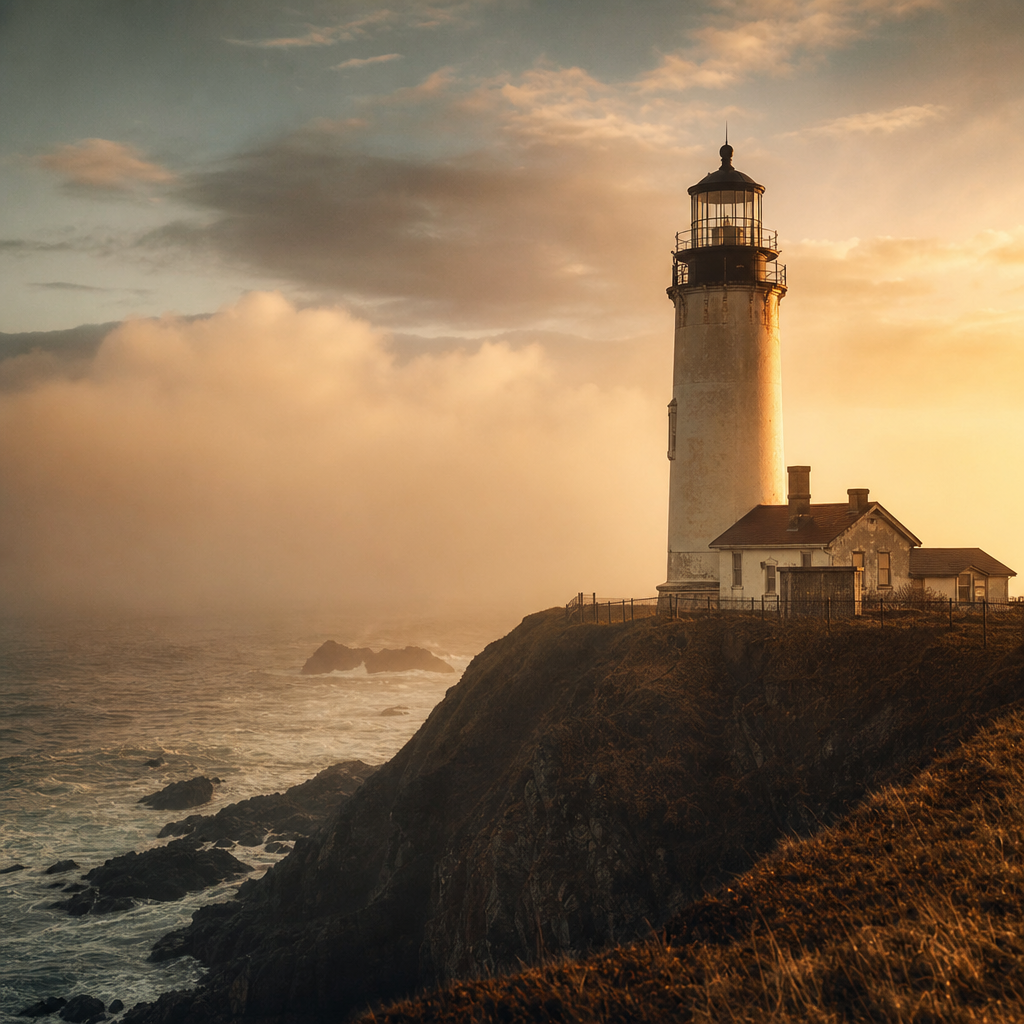
How the northern coast lighthouse network took shape
From isolated warning fires to coordinated beacon towers, these stations stitched dangerous waters into a legible route, guiding crews, cargo, and coastal communities through fog, storm, and winter dark.
Early coastal beacons
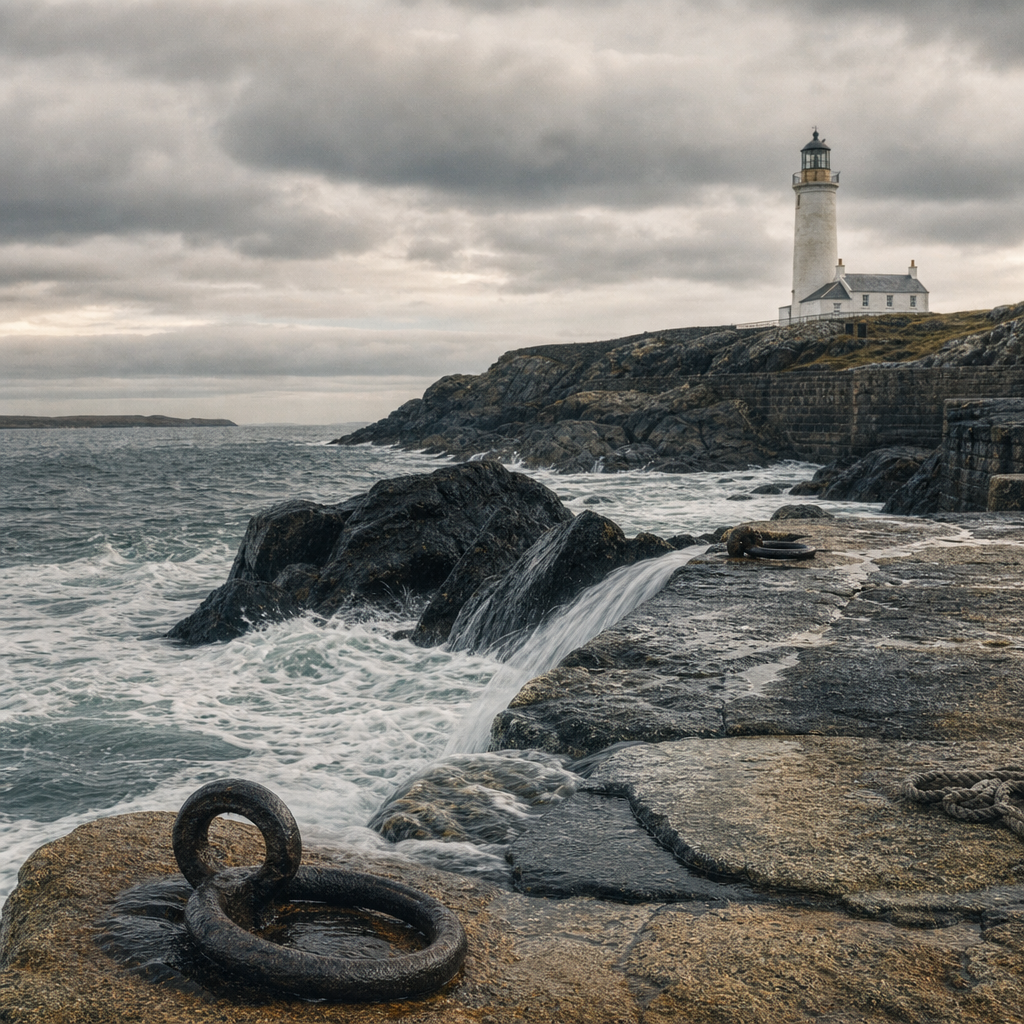
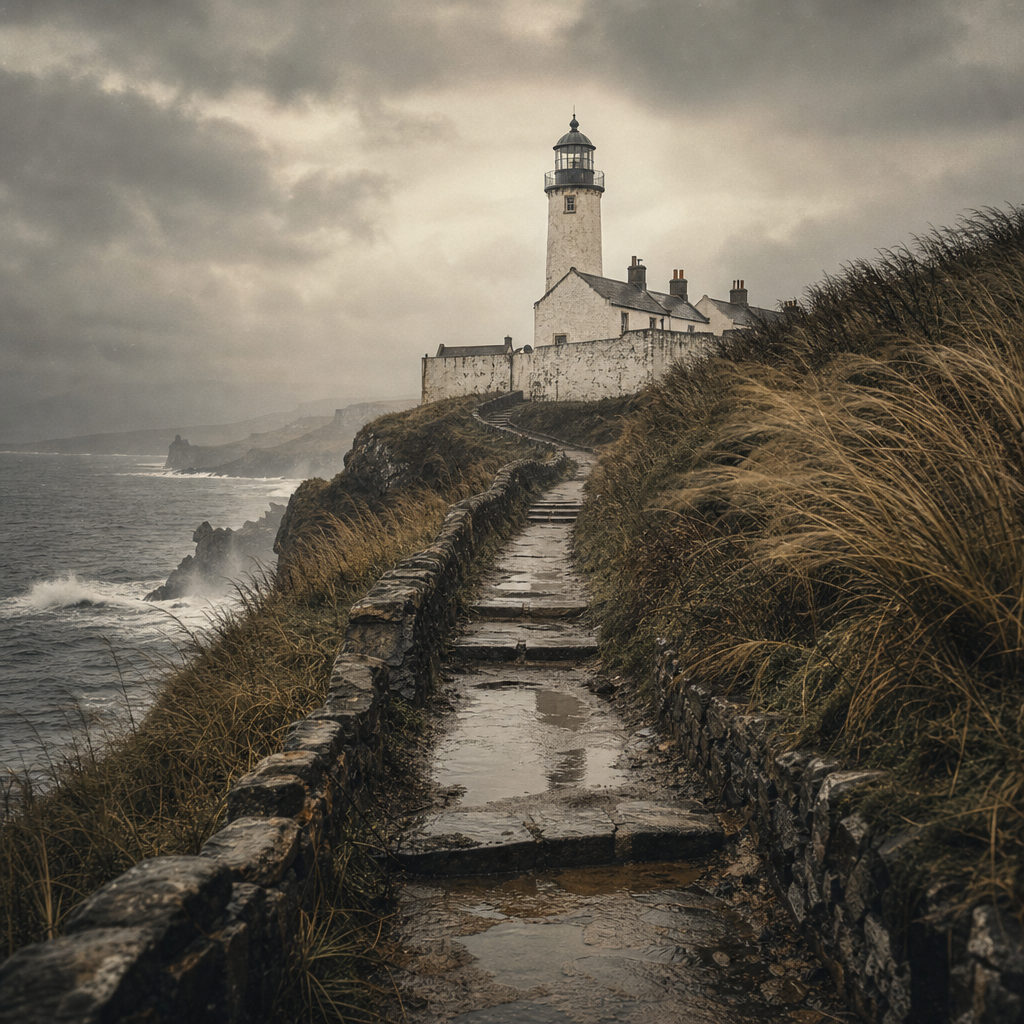
Initial lights were simple braziers and oil lanterns placed at harbor mouths, maintained by local pilots who read shoreline hazards from memory and tide marks.
Nineteenth-century expansion
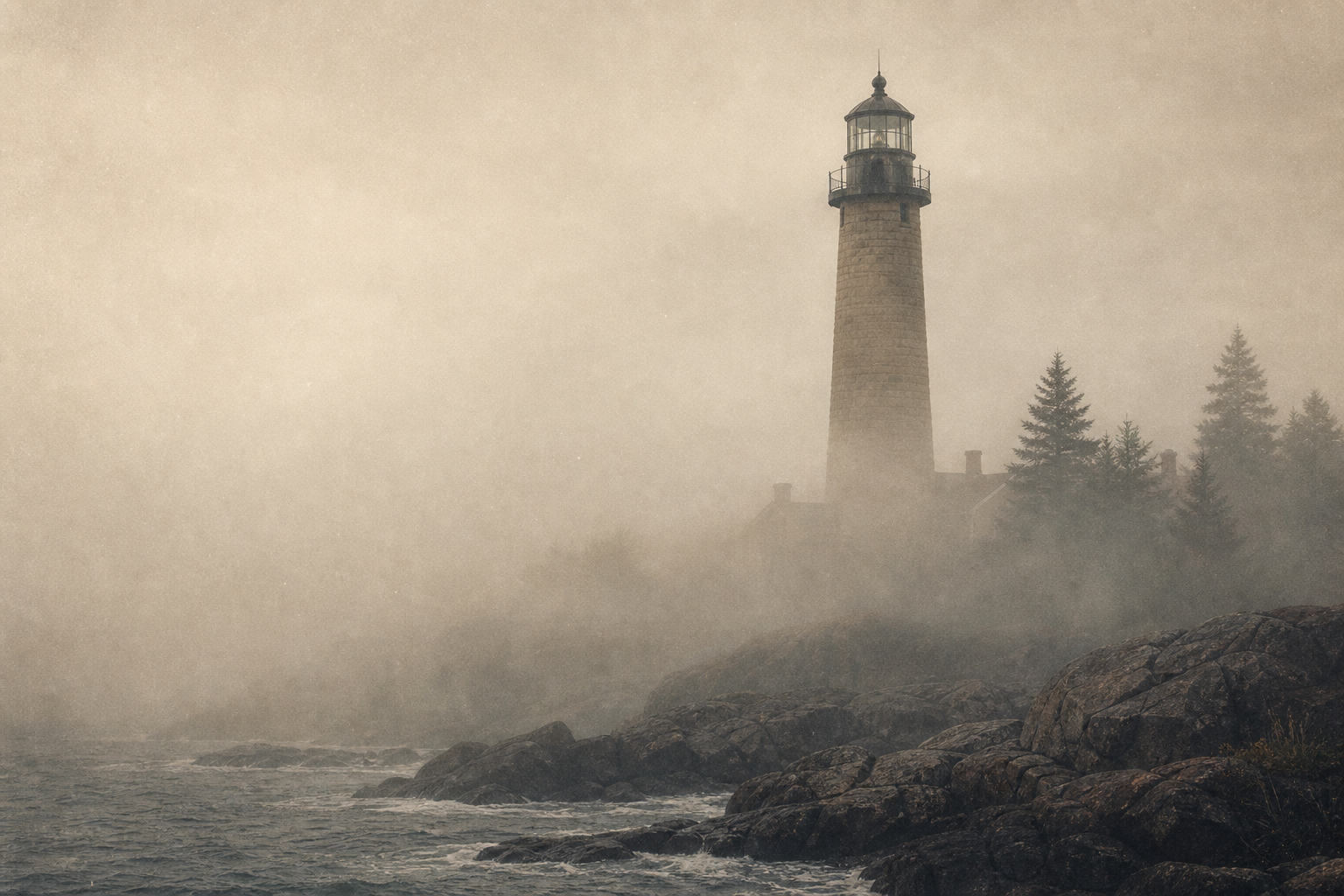
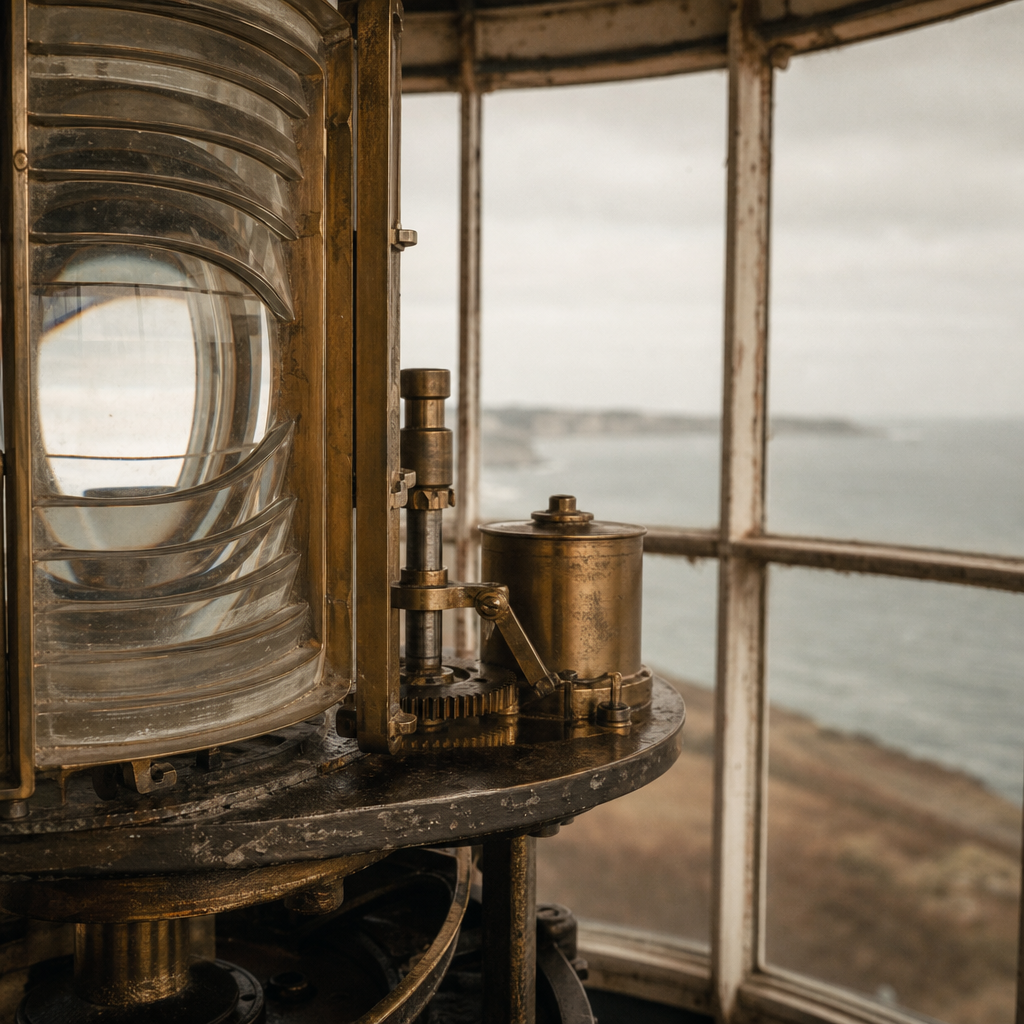
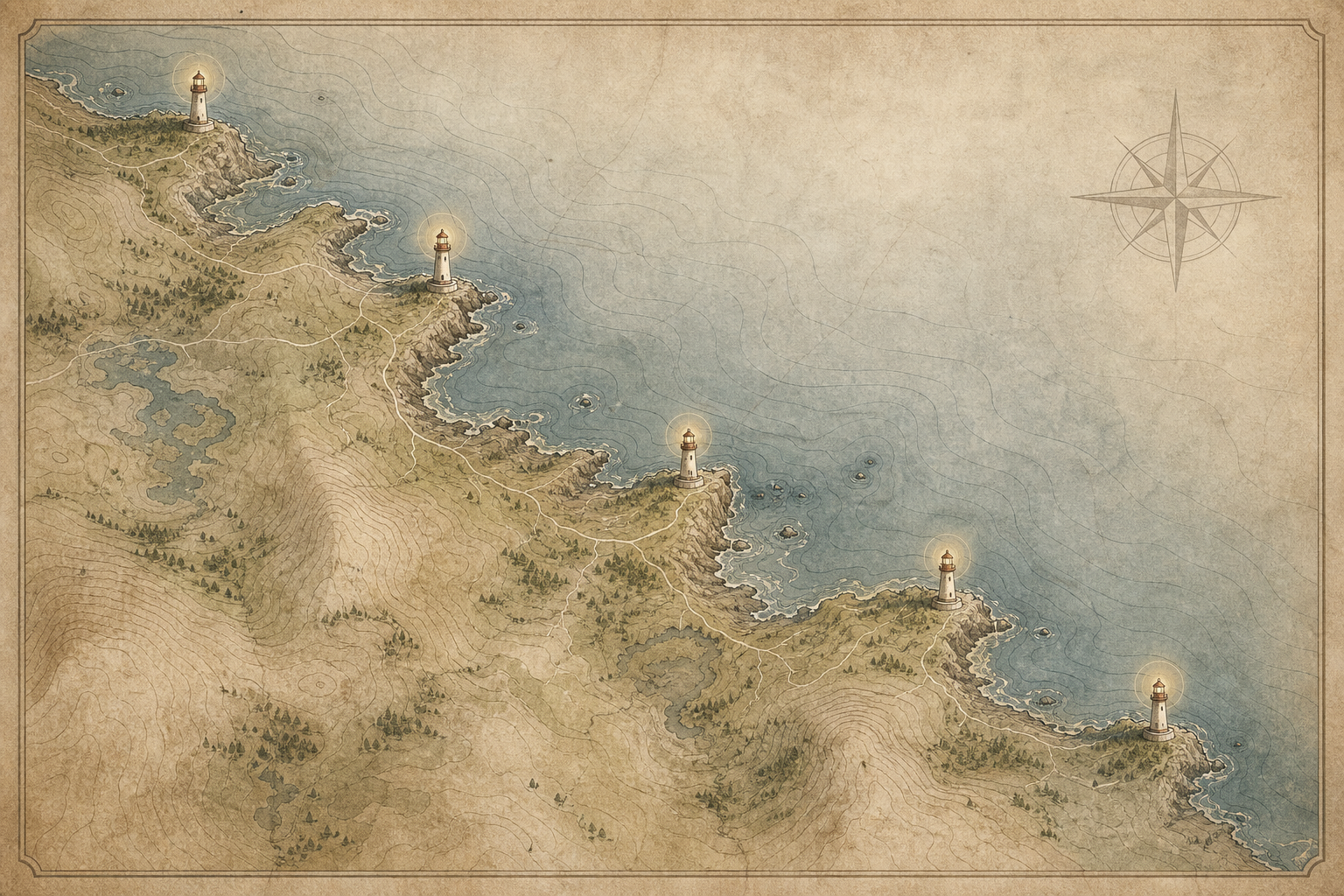
As trade intensified, engineered towers, standardized lenses, and shared chart references turned scattered signals into a recognizable chain across the northern coast.
Present-day preservation
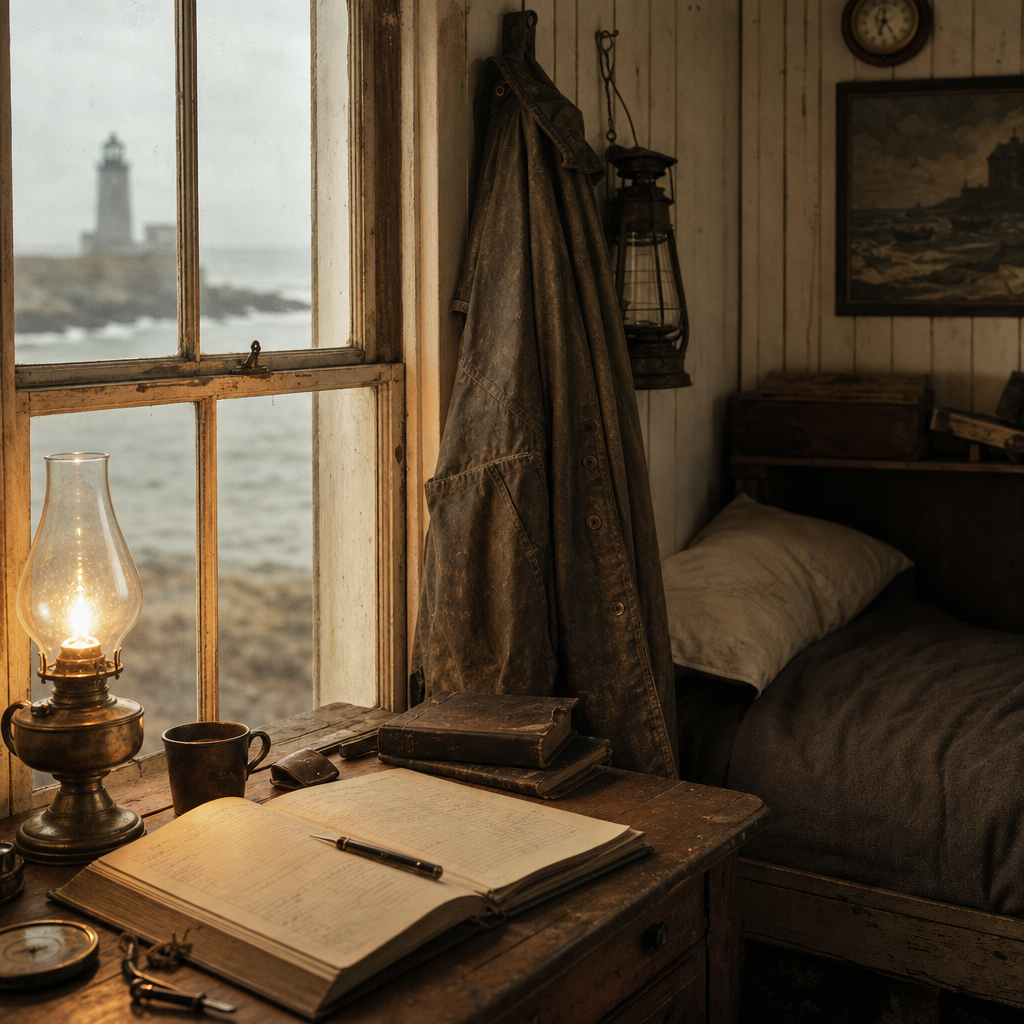
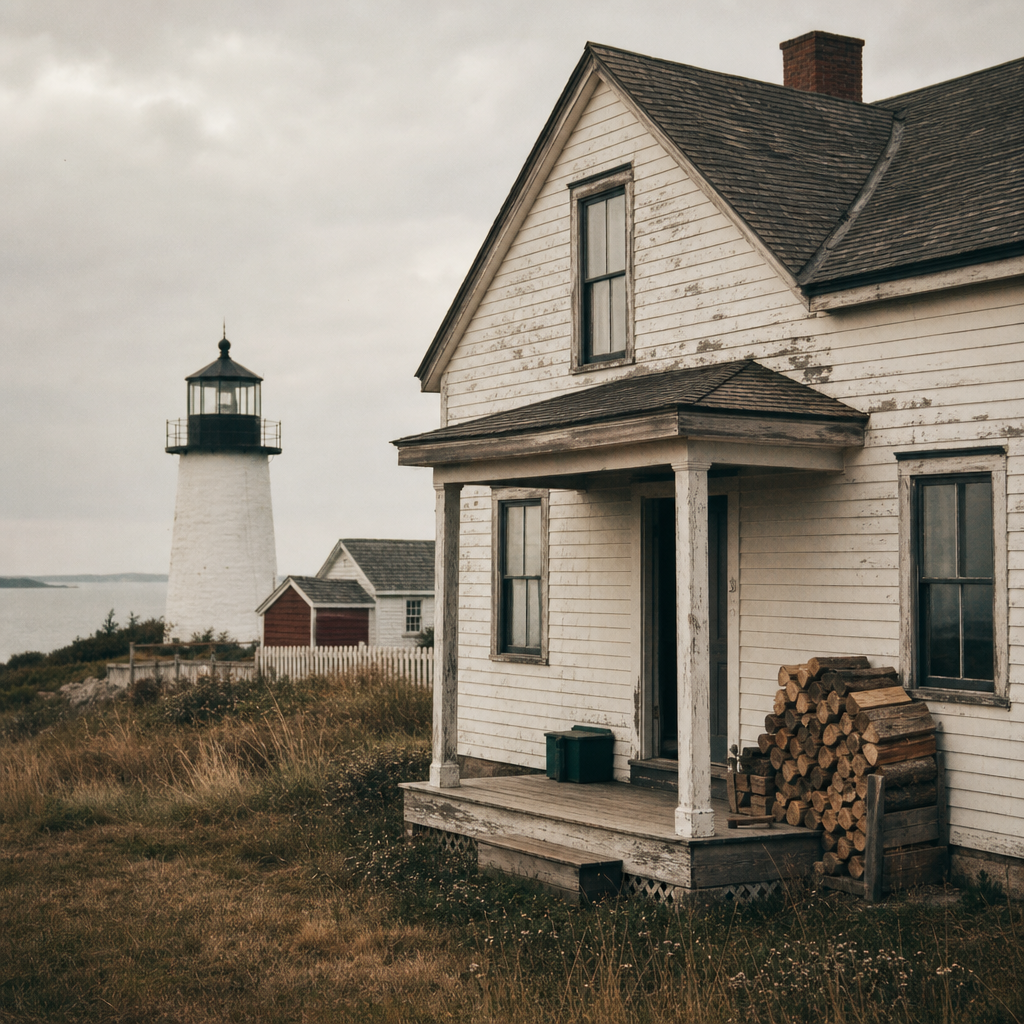
Many lights no longer direct traffic, yet conservation groups preserve towers, records, and keeper artifacts as evidence of how navigation shaped regional life.